
“Child’s Play:” How Capitalism Extinguishes Creativity Through Repression of Play
Susan Ferguson delves into the organization of kindergartens and playgrounds as spaces that transform children into productive workers under capitalism.


Professor emerita Susan Ferguson’s latest book, Child’s Play: Childhood In and Against Capitalism, addresses the ways childhood is managed and controlled to sustain capitalism and turn playful kids into productive workers.
Although the text is dense and academic, Ferguson zeroes in on the ways kindergarten classrooms and playgrounds are organized to “disrupt a potentially seamless relation between play and work.” To start, the book describes young children as generally creative and inventive, willing to resist authority and organize games and activities that meet their needs. To wit, by crafting new narratives to replace the realities of abuse, deprivation, and neglect at home, kids typically conjure the fantasy world they want and need. Over time, however, Ferguson sees this creative spark extinguished as kids-turned-adults begin working at jobs that are devoid of joy.
Child’s Play wonders what would happen if, rather than “turning playful children into alienated workers,” play was encouraged throughout one’s life. Unfortunately, the book does not tell us. Nor does it include examples of worksites – worker-run collectives or cooperatives, for example – where the nine-to-five has been replaced by something more flexible and satisfying. Similarly, it does not include the voices of workers who like, or even love, their jobs to tease out the why and how of their reaction.
“Child’s Play wonders what would happen if, rather than ‘turning playful children into alienated workers,’ play was encouraged throughout one’s life.”
At the same time, Child’s Play provides a fascinating history of domestic kindergarten and playground development and makes clear that the current organization of work – where 28 million US workers do not have paid time off and thousands earn too little to afford rent – leads to anger, frustration, and exhaustion. Of course, the provision of paid sick leave and vacation time, an increase in the federal minimum wage from $7.25 per hour to a liveable wage, and encouraging workers to participate in decision making, would improve people’s lives. But while Ferguson clearly supports these measures she does not focus on them. Instead, the book addresses the ways powerlessness is inculcated in human development. In short, kindergarten is named as a key culprit, a site where play is restricted, schedules are rigidly maintained, and the completion of assigned work is prioritized. And, while pedagogical standards and classroom organization have changed over time, Ferguson laments that the goal of getting children ready for the world of work has remained ironclad and consistent through multiple eras.
“Workers do not just come into being naturally,” Ferguson writes. “They are made every day and every night. And this making begins in childhood with the temporal and sensual alienation of children’s own playful life-making labors.”
As she sees it, capitalism’s continuing need for workers requires the “repression” of play.
Playgrounds, Ferguson adds, also contribute to the repression, with supervised activities orchestrated to not only ensure child safety but to exert control over what happens on site. Rather than places where kids can design games and decide what they want to do and with whom, Ferguson writes that playgrounds serve secondary functions, including “Americanizing immigrant working-class children” and teaching them about American norms and conventions. The same can be said about the messaging directed at US-born kids, many of whom, Ferguson writes, reject approved equipment and games in favor of self-directed activities. In essence she argues that publicly-funded kindergartens and playgrounds destroy natural childhood impulses that, if allowed free expression, could ultimately lead to liberatory dreams and changes in social organization, workplace culture, and how we imagine and prepare for the future.
A democratic left could aid this, Ferguson writes, by encouraging open-ended conversations, playfulness, and debates. “What would happen if we were more intentional about incorporating play into our activism?” she asks.
It’s a good question.
Ferguson believes that “reactivating” playfulness would go a long way in encouraging progressives to focus on life’s positives – “beauty, health, art, music, love…human flourishing” – and suggests that activists pursue “pleasure and politics together” to create a better, more egalitarian world. It’s certainly worth a try.
Related Coverage
-
 Many of us still get disoriented when talking about fascism in the present tense. What even is a fascist,…
-
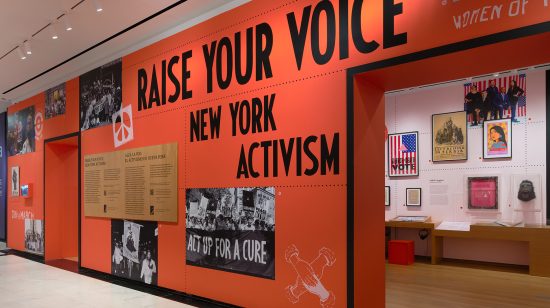
New York City’s History of Resistance Chronicled at Museum of the City of New York
Sara Seidman and Neal Rosenstein discuss the new permanent exhibition that displays the tactics New Yorkers have used to demand change in their communities.
-

"I Love My Culture": Leonard Peltier on His Life and Art
Indigenous activist and former political prisoner Leonard Peltier talks about his art his release from prison with The Indy.